
- Understanding how traffic actually moves through an area — not just vehicle counts, but the mix of vehicles, cyclists, and pedestrians, peak periods, and directional flow — takes continuous data from a range of roadside sensors feeding into one analysis system
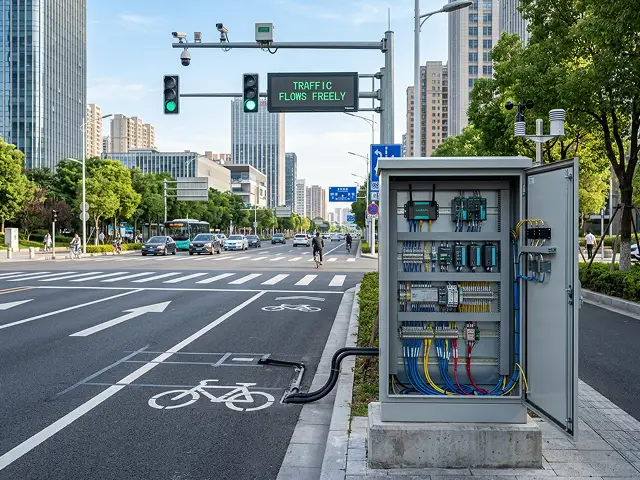
- This case covers an IoT gateway deployment built for exactly that: pulling in pressure sensors, traffic recorders, display systems, and weather inputs at the roadside and turning them into usable traffic-flow data, in an application that specifically analyzed bicycle traffic patterns including bi-directional counts and peak-period behavior
Case Studies
Traffic Flow Intelligence Gateway
26 Jun 2026Industrial IoT gateways for collecting traffic, weather, speed, and sensor data for traffic-flow analysis.


 Overview
 Challenges
The main challenges were
- Traffic analysis means handling high-volume
- fast-moving data from many different sensor types at once
- getting that data back to a remote analysis server quickly enough that it's still useful for real-time or near-real-time decisions
- not just historical reporting
 Objectives
The system needed to
- Collect field traffic data continuously
- classify traffic by type — including bicycles
- pedestrians
- vehicles — understand how different traffic types share the same space
- support better regulation and path-planning decisions with the resulting data
 Solution Delivered
The solution included
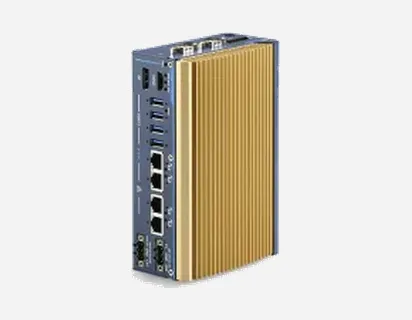
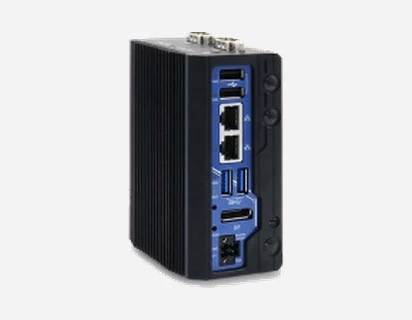
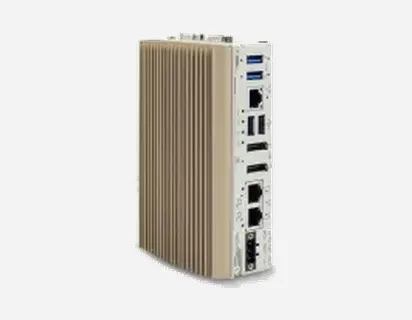
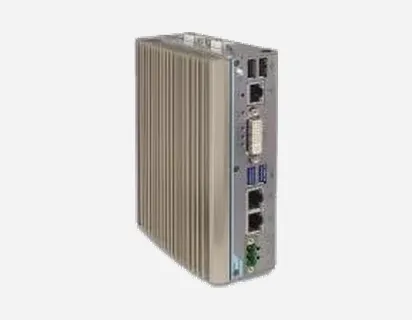
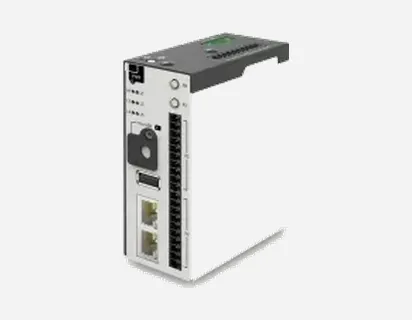
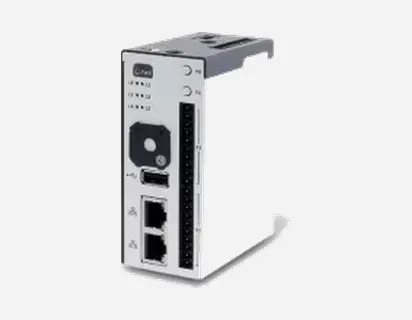
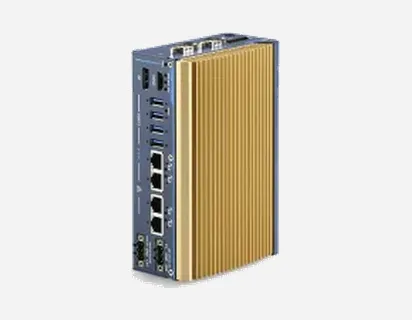
- Delivered An IGT-series industrial IoT gateway was installed at the roadside edge to aggregate data from the site's sensors — pressure sensors, traffic recording systems, information displays, and weather instrumentation — and forward it to a remote server for analysis
- The gateway's role was to sit between the physical sensors and the analysis platform, handling the different protocols and data formats each sensor type produced and normalizing them into a single feed, so the traffic-flow analysis didn't have to deal with a dozen incompatible data sources
- In this deployment, that setup was used to track bicycle traffic specifically: bi-directional counts, peak travel periods, and how cyclist activity related to other traffic on the same roadway
Products referenced in the source material include
Conclusion
Roadside sensing only becomes city-planning intelligence once it's consolidated and delivered reliably — this gateway is the piece that turns scattered sensor readings into a traffic-flow picture planners can actually act on.