
- Smart grids now need to absorb renewable generation, consumer-side power generation, power storage, and automated energy-management systems all at once
- Utilities need more visibility and control than ever, but often lack ready access to data from the related systems and assets scattered across the grid
Case Studies
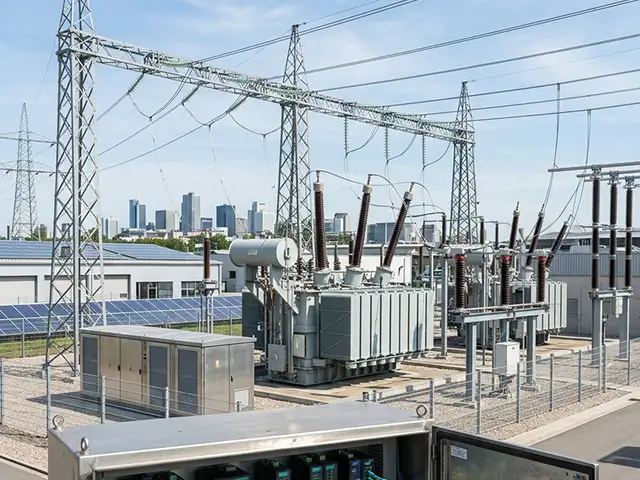
Grid Intelligence at the Edge
26 Jun 2026Rugged IIoT gateways for collecting, filtering, and moving smart-grid data from legacy and modern assets to analytics platforms.


 Overview
 Challenges
The main challenges were
- Distribution grids are becoming harder to predict because load, generation, and storage are no longer centralized
- Utilities must integrate legacy and modern equipment side by side, acquire dependable field data, move that data to cloud or control systems, and improve operational visibility — all without creating fragile field infrastructure that adds a new point of failure to the grid it's supposed to be monitoring
 Objectives
The system needed to
- Enable utilities and energy companies to gather, filter, analyze, and transfer data from edge assets to cloud or central analytics systems
- The system should improve manageability, support connected device and sensor data analysis, and help identify areas where grid performance can be optimized
 Solution Delivered
The solution included
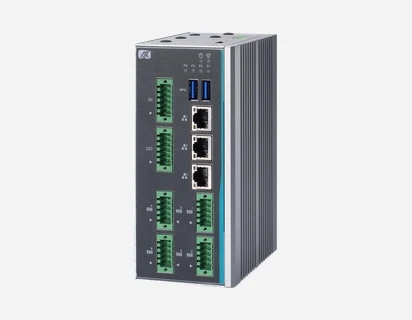
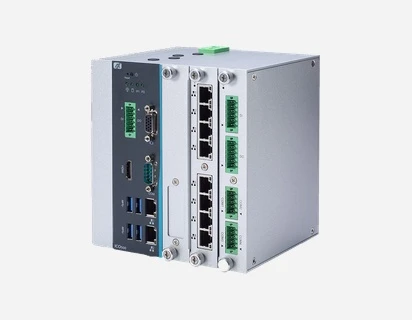
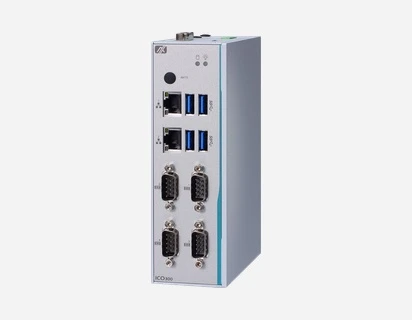
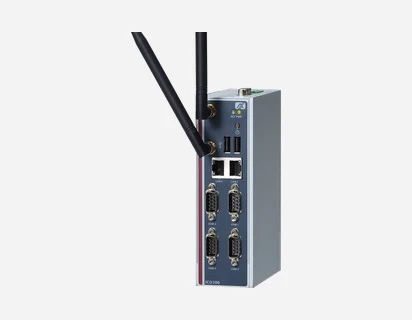
- Rugged embedded computers and IIoT gateway controllers were installed in smart-grid field environments to act as the data acquisition and communication layer between grid assets and central systems
- The architecture was built for open integration with legacy equipment already on the grid rather than requiring a rip-and-replace, with scalable processor options letting the same product family cover both simple field points and more compute-intensive locations, industrial I/O for connecting directly to grid sensors and controls, and reliable data transfer feeding the analytics and operational-decision systems utilities actually use
Products referenced in the source material include
Conclusion
Rrugged edge computing is a practical bridge between smart-grid ambition and field reality. It is not only about monitoring; it is about turning scattered grid data into decisions that can improve reliability, efficiency, and operating cost.